AIARE Avalanche Rescue
AIARE Avalanche Rescue
A STAND-ALONE COMPANION RESCUE COURSE
For Skill Maintenance, Retake Regularly
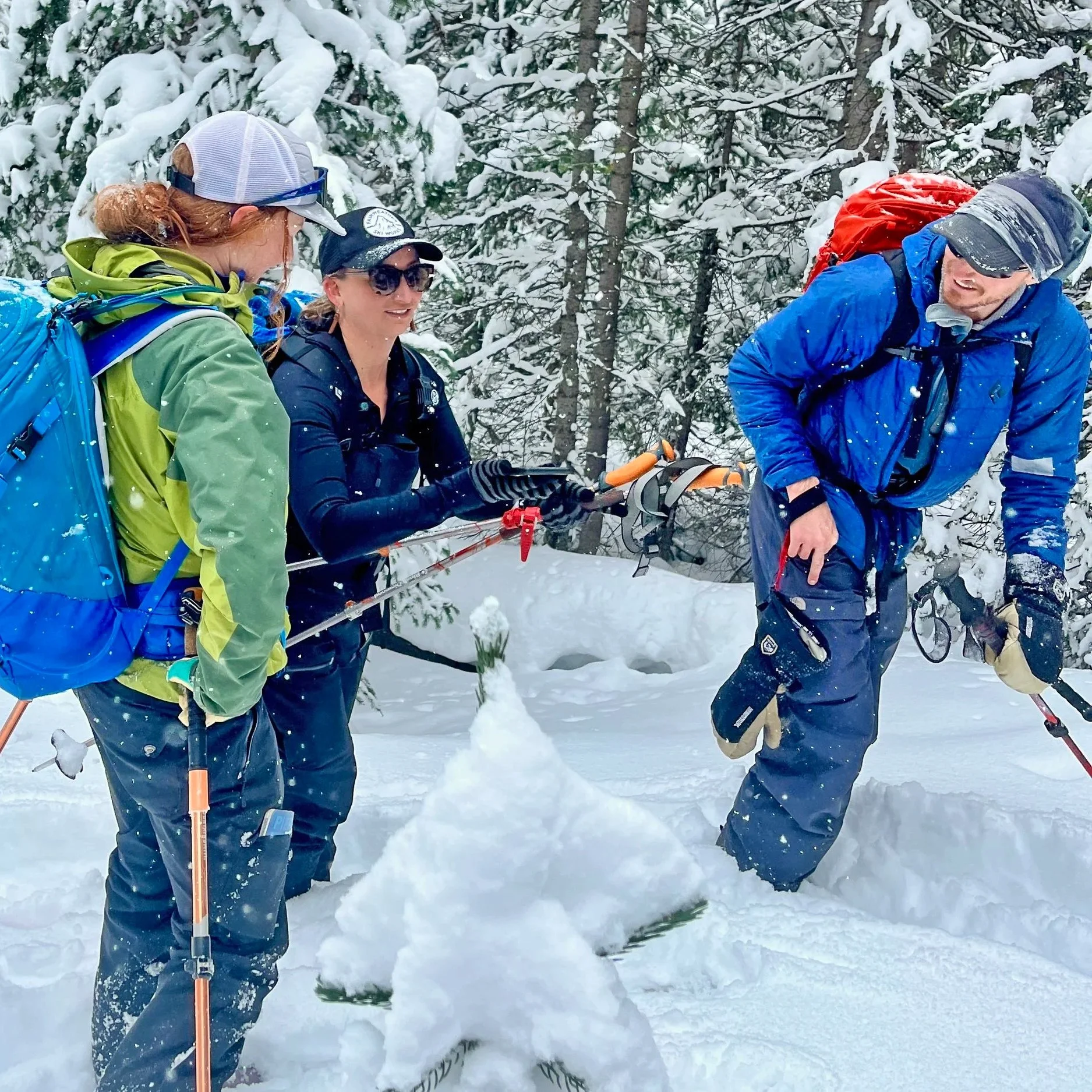
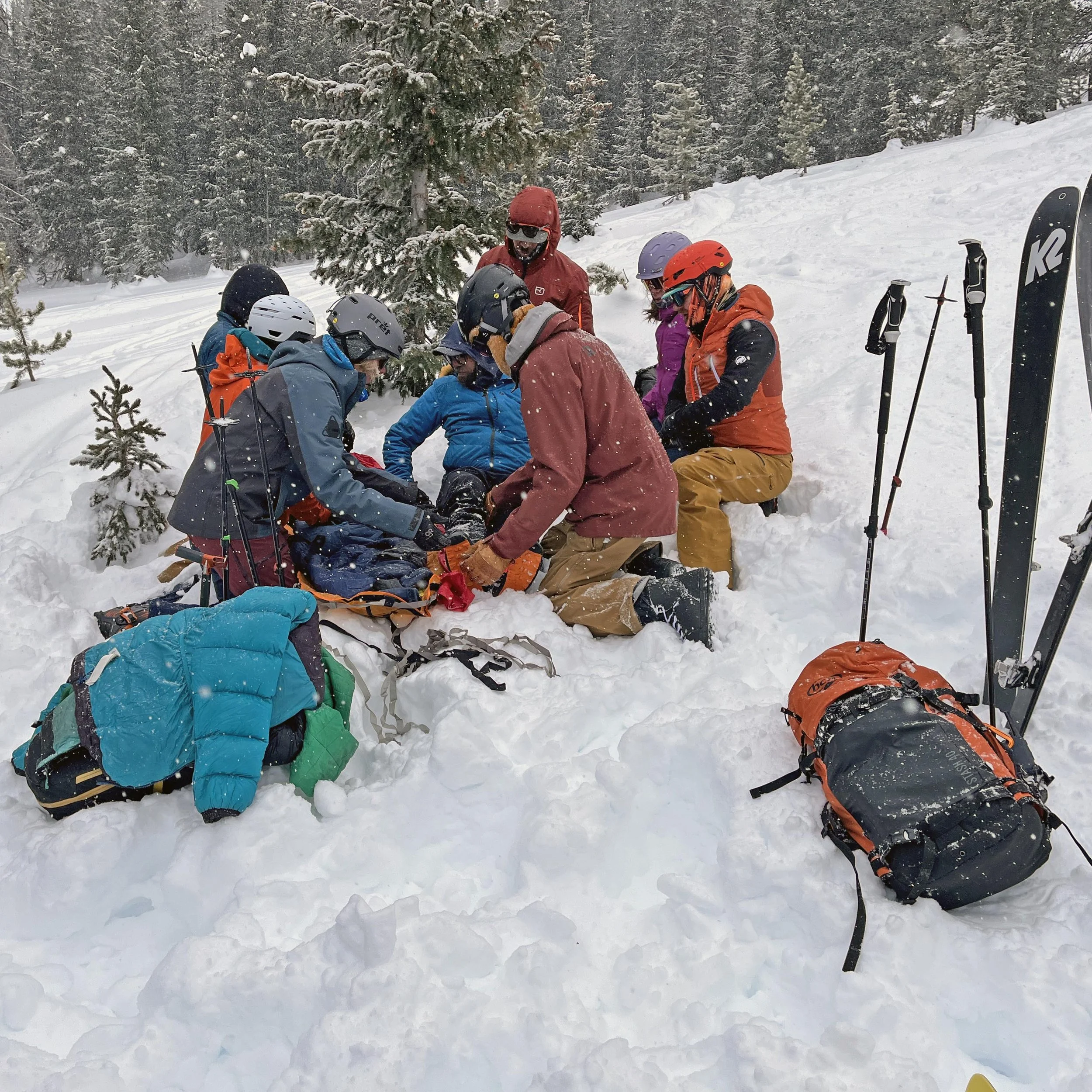
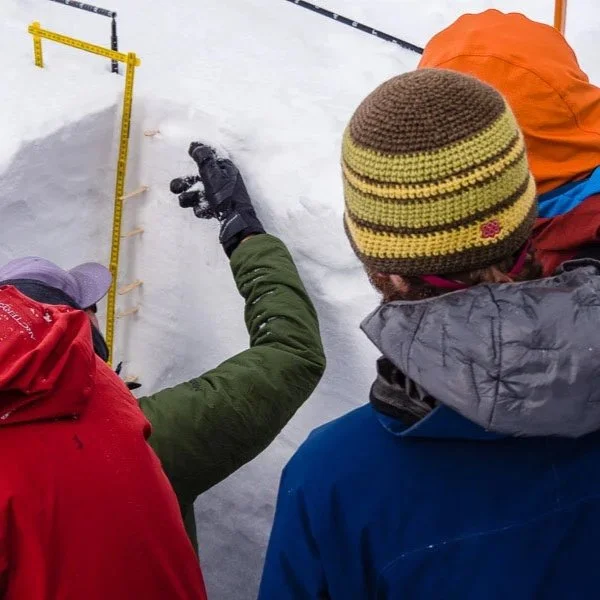
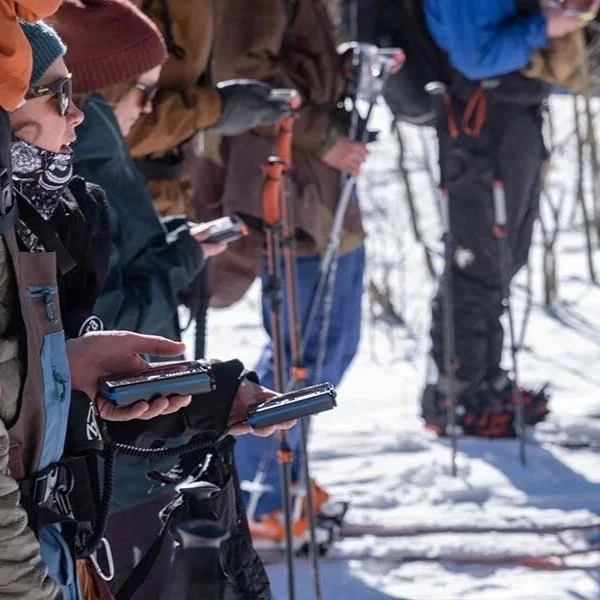
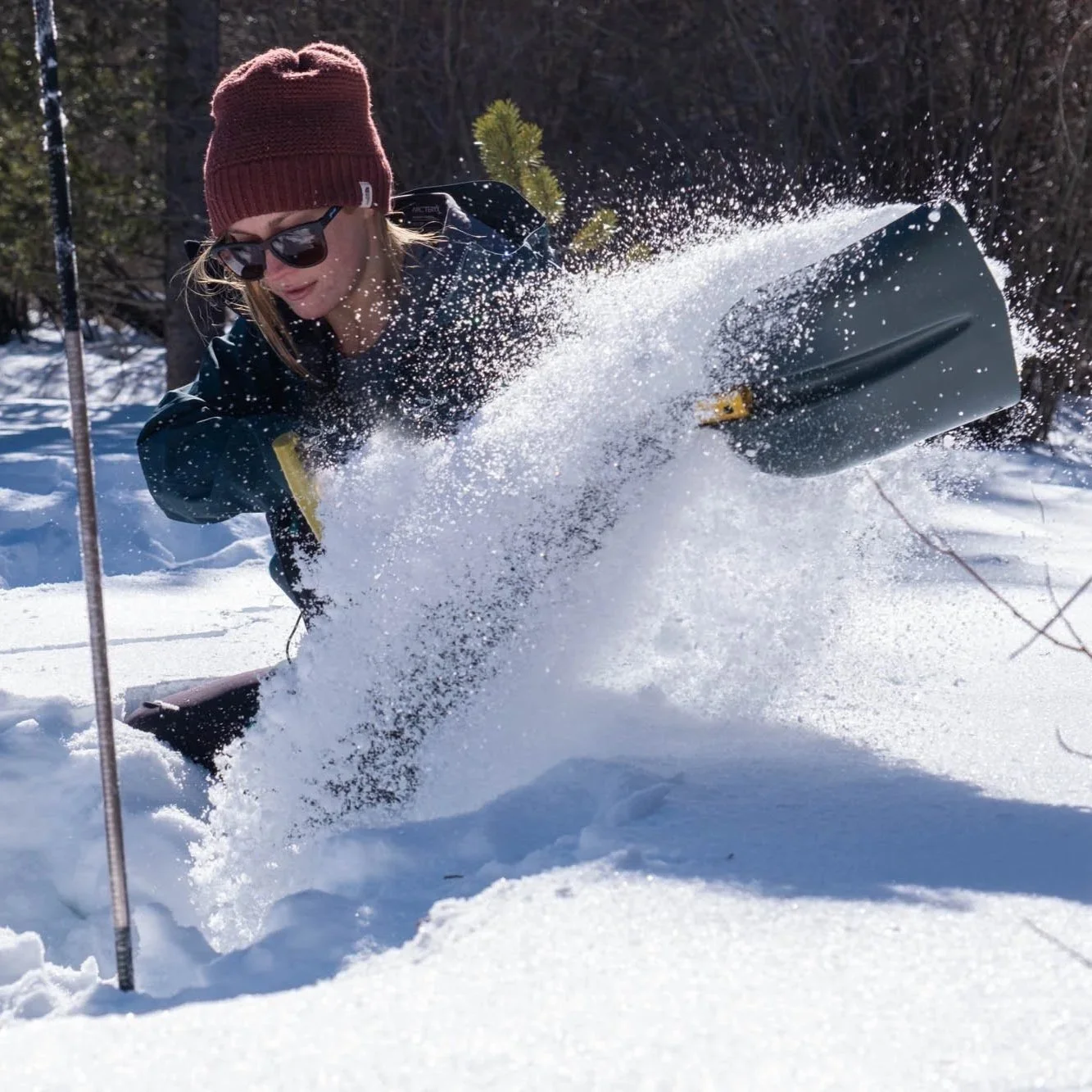
AIARE Avalanche Rescue is a one-day stand-alone course that is intended to be retaken regularly to keep abreast of best practices in rescue techniques and gear. New participants will learn the basics of companion rescue, while returning participants will expand their skill set with advanced topics and realistic scenario practice to help improve their skills. In addition, each participant will have the opportunity to receive professional coaching and feedback on their rescue skills. All students will receive a rescue card acknowledging the completion date.
Women’s Avalanche Rescue
At BVMA, every course is an inclusive space where all participants are welcome. However, we also understand the value of women learning from and with other women, so we offer a limited number of female-only AIARE Avalanche Rescue courses led by our experienced female instructors. To attend one of these courses, select a ‘Women’s Rescue’ date from the dropdown above.
Course Details
LEARNING OUTCOMES . . .
Describe what to do if they or a member of their party is caught in an avalanche
Identify and be able to use gear necessary for avalanche rescue
Set up a realistic scenario in order to practice an avalanche rescue response
Improve their response skills and times during and after the course with feedback from instructors and peers
Develop a plan for continuing practice
PREREQUISITES . . .
Students must be able to travel in the snow and bring or rent appropriate equipment
This course can be taken on Alpine Touring (AT) Skis, a Splitboard, or Snowshoes
If you've never been backcountry skiing or splitboarding, consider a group lesson before your AIARE course, it isn't required but can make a big difference in getting the most out of your avalanche education
AIARE 1 and Avalanche Rescue are prerequisites for AIARE 2
Students should gain at least one season or 30+ days of backcountry travel experience between AIARE 1 and AIARE 2
AIARE 1 and Avalanche Rescue are also prerequisites for aspiring professionals looking to take a Pro 1 course
EQUIPMENT . . .
Alpine Touring Setup (Available for Rent)
Splitboard (Available for Rent)
Snowshoes (Available for Rent)
Avalanche Gear: Beacon, Shovel, Probe (Available for Rent)
A detailed gear list will be sent in your welcome email about two weeks before the course begins
LOGISTICS . . .
One-Day Course (8 hours)
You’ll be in both indoor and outdoor classroom settings, with time spent sitting, standing, and moving in variable conditions
Need a place to stay? Check out our Local Lodging Partners, your confirmation email will include discount codes for participating locations
Here are our favorite local places to eat and drink in Buena Vista, CO
We also have three natural, odorless hot springs nearby, perfect for unwinding after your course
Max CLIENT TO GUIDE RATIO . . .
6 Clients : 1 Guide
The American Avalanche Association (A3) recommends that all backcountry travelers take an Avalanche Rescue course every two years to keep skills sharp and receive an updated rescue checklist card. Techniques and equipment evolve, and regular practice helps ensure the fastest, most effective response in an emergency.
Avalanche Rescue + Wilderness First Aid
Search, Stabilize, and Evacuate
3-Day Combo Course
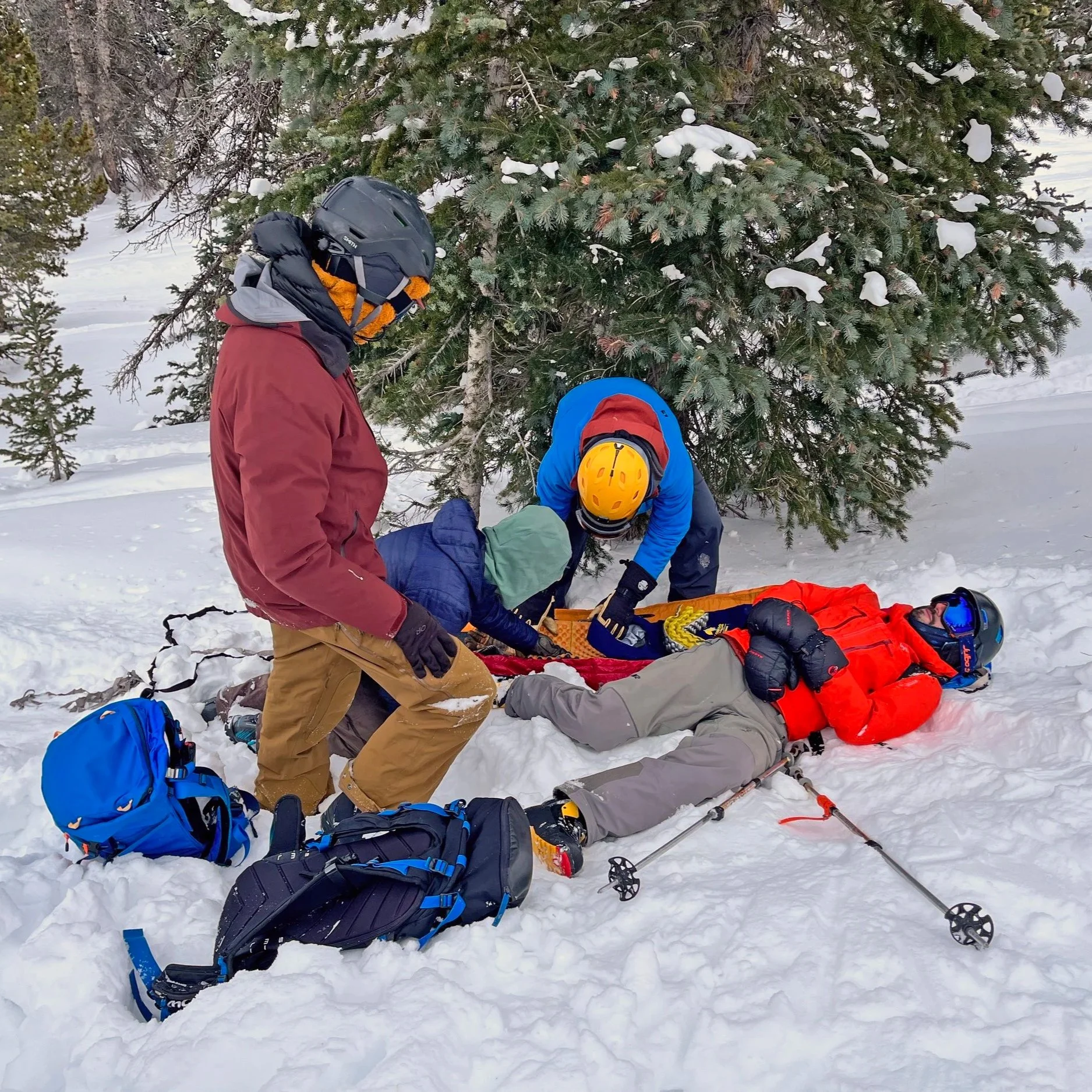
This three-day course combines Avalanche Rescue and Wilderness First Aid (WFA) to provide a complete backcountry emergency response skill set. The one-day A3-approved Avalanche Rescue course teaches you how to locate and extract someone buried in an avalanche using a transceiver, probe, and shovel. The two-day SOLO-certified WFA course builds the skills and confidence to assess patients, deliver critical care, and manage evacuations in remote settings. Whether you’re new to these courses or refreshing your skills, you’ll leave prepared to respond effectively from the initial rescue through ongoing care in the backcountry.
LEARNING OUTCOMES . . .
Describe what to do if they or a member of their party is caught in an avalanche
Identify and be able to use gear necessary for avalanche rescue
Set up a realistic scenario in order to practice an avalanche rescue response
Improve their response skills and times during and after the course with feedback from instructors and peers
Develop a plan for continuing practice
Develop practical skills in backcountry medicine
Master the patient assessment system
Assess and respond to traumatic, medical, and environmental emergencies
Apply strategies to stabilize patients and prepare for evacuation
Practice safe techniques for lifting, moving, and extricating injured individuals
Build the confidence to stay calm and make effective decisions under pressure
Seasonal WFA Course Differences . . .
Spring, Summer Fall WFA Courses run April through November. These programs take place on dry trails, alpine terrain, rivers, lakes, and accessible backcountry environments. Hiking, mountain biking, bikepacking, kayaking, packrafting, river rafting, climbing, hunting, and other warm-season activities will be integrated into scenarios based on the student group and regional conditions. Skills and protocols apply to all seasons.
Winter WFA Courses run December through March. These programs take place in true winter conditions and snowy terrain. Participants must travel on AT skis, a splitboard, or snowshoes. This course is ideal for backcountry skiers, splitboarders, cross country skiers, and snowshoers. The course covers the full WFA curriculum with additional emphasis on winter mountain travel and cold weather field care. Core skills and protocols apply year round.
PREREQUISITES . . .
Students must be able to travel in avalanche terrain and bring or rent appropriate equipment for traveling on snow to class
This course can be taken on Alpine Touring (AT) Skis, a Splitboard, or Snowshoes
No prior medical training required
Must be 18 years of age or 14 years old with parent/guardian participating in course
EQUIPMENT . . .
Alpine Touring Setup (Available for Rent)
Splitboard (Available for Rent)
Snowshoes (Available for Rent)
Avalanche Gear: Beacon, Shovel, Probe (Available for Rent)
A detailed gear list will be sent in your welcome email about two weeks before the course begins
LOGISTICS . . .
Three-Day Course (24 hours) Be prepared for three full days of learning
You’ll be in both indoor and outdoor classroom settings, with time spent sitting, standing, and moving in variable conditions
Need a place to stay? Check out our Local Lodging Partners, your confirmation email will include discount codes for participating locations
Here are our favorite local places to eat and drink in Buena Vista, CO
We also have three natural, odorless hot springs nearby, perfect for unwinding after your course
Max CLIENT TO GUIDE RATIO . . .
6 Clients : 1 Guide
Not all avalanche courses are created equal. BVMA is an American Avalanche Association (A3) Recognized Provider, delivering accredited training that meets national standards and is trusted across the industry. We are also an American Institute for Avalanche Research and Education (AIARE) Provider, teaching the official AIARE curriculum, the most widely recognized avalanche education framework in the United States and approved by A3.
For our wilderness medicine programs, BVMA teaches the SOLO (Stonehearth Open Learning) curriculum. SOLO is the oldest, most innovative, and one of the most respected wilderness medicine schools in the United States, and its curriculum follows the international education standards established by the Wilderness Medicine Education Collaborative (WMEC).